This Is My Home: A Story of Hope, Community, and the Fight to Save a Children's Home

What would you do if the place you called home was in danger of closing?
For a group of children living in a fictional children's home in Nassau, The Bahamas, the answer is simple: they refuse to give up.

This Is My Home is a new Bahamian dramatic comedy that shines a light on an issue that often goes unseen, the ongoing struggle faced by children's homes across The Bahamas and the communities that work tirelessly to keep them open.
Set in Nassau, the film follows a group of children who find themselves facing a seemingly impossible challenge. Their home is struggling financially, and with its future hanging in the balance, the children come up with an unconventional plan. What begins as an ambitious, and perhaps unrealistic, idea becomes a story about determination, creativity, friendship and the power of community.
A Story Inspired by Real Conversations

While the children's home featured in This Is My Home is fictional, the circumstances surrounding it are rooted in reality.
Director and producer Leonardo Newman was inspired to tell the story after an impromptu conversation with a board member of a local children's home. That conversation revealed the many challenges that often remain invisible to the wider public, including the constant financial costs and resources required to keep a children's home operating.
That experience sparked a question:
What if these realities could be brought to the screen in a way that would make people laugh, make them care, and ultimately make them want to help?
The result is This Is My Home.

The film was developed through conversations with employees and board members from multiple children's homes, allowing the filmmakers to incorporate real-world experiences into a fictional story.
Rather than simply presenting children as victims of difficult circumstances, the film aims to show something much deeper: their brilliance, creativity and determination despite circumstances they never chose for themselves.
When the Kids Decide to Fight Back
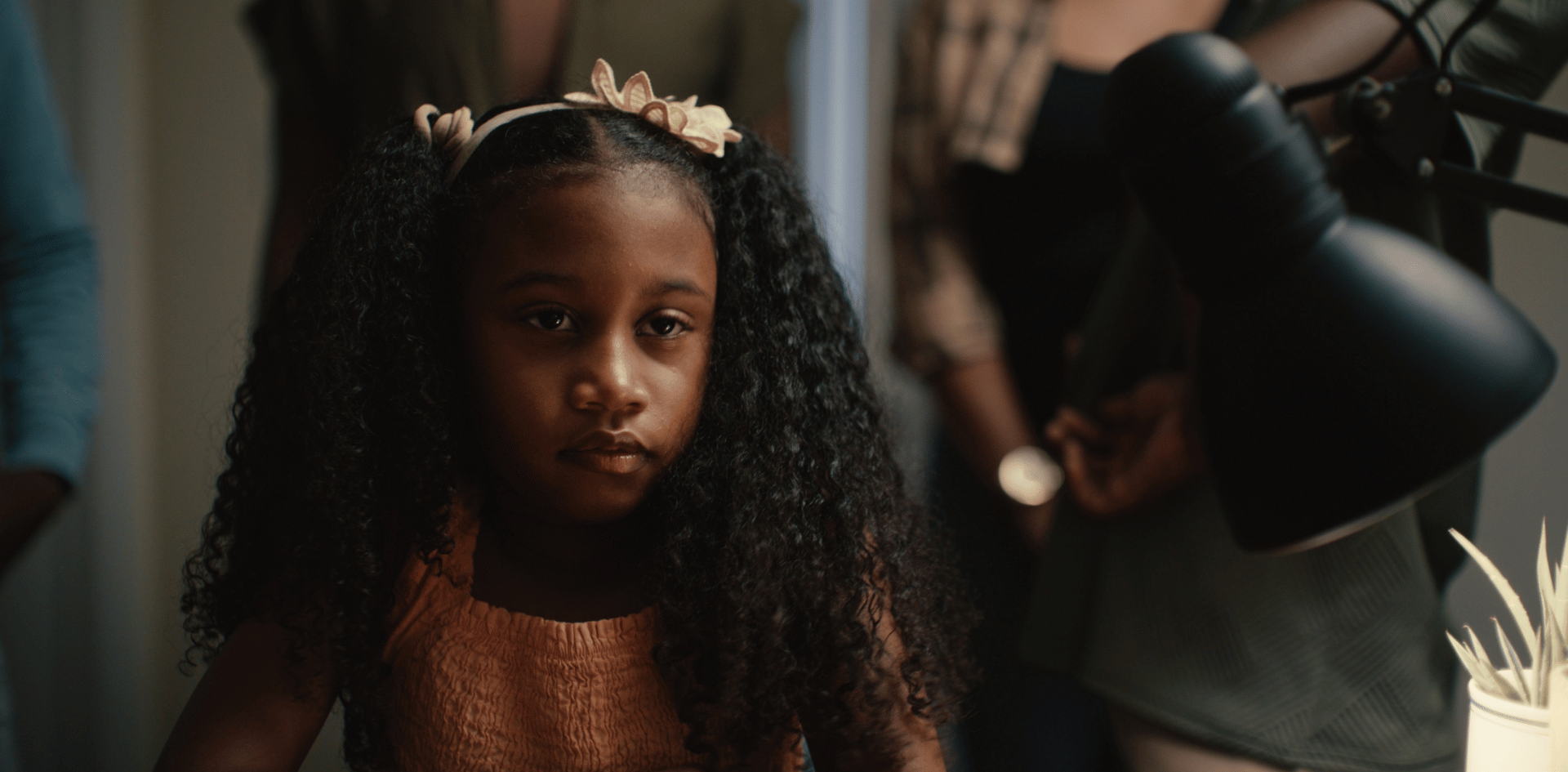
At the heart of the story are the children themselves.
Faced with the possibility of losing their home, they refuse to simply sit back and wait for someone else to solve the problem. Instead, they come together to devise an unexpected plan, determined to do whatever it takes to save their home.

How could a small group of kids from a struggling children's home possibly compete against established Junkanoo groups?
That question is part of what makes the story so compelling.
The film uses the children's seemingly impossible mission to explore what can happen when people refuse to accept that their circumstances have to determine their future.
More Than Just a Movie
At its core, This Is My Home isn't simply a story about Junkanoo.
It's a story about home.

It's about what it means to have a safe place to grow up. It's about the people who dedicate their time and resources to caring for children. And it's about what happens when a community decides that the responsibility of caring for vulnerable children belongs to everyone,not just a handful of organizations, corporations or wealthy individuals.
Children's homes depend heavily on donations, volunteers and community support. Government assistance alone is often not enough to cover the many costs associated with operating these homes.
The film hopes to bring greater awareness to that reality.
But rather than simply asking people to feel sorry for these children, This Is My Home asks something more meaningful:
What can we do?
Everyone Has a Part to Play
One of the central messages of the film is that supporting children's homes should not be viewed as the responsibility of only wealthy individuals or major corporations.
The community matters.

Whether through financial contributions, volunteering, donating supplies, offering professional services or simply becoming aware of the needs around us, there are countless ways ordinary people can make a difference.
The filmmakers hope the film encourages Bahamians to remember the children's homes in their communities,not only when they are in crisis, but throughout the year.
Because keeping a children's home open isn't just about keeping the doors unlocked.
It's about creating an environment where children can grow, dream and develop without constantly feeling the effects of scarcity.
The goal shouldn't simply be for these homes to survive.
The goal should be for these children to thrive.
A Story Rooted in Faith
Faith is another important foundation of This Is My Home.
The film contains allusions to the biblical story of Joseph, but its deeper spiritual foundation comes from Luke 4, where Jesus describes His mission:
"The Spirit of the Lord is on me, because he has anointed me to proclaim good news to the poor."
The passage continues with a call to freedom, restoration and hope for those who are oppressed.
For the filmmakers, those words speak directly to the responsibility believers have toward vulnerable children.
The film also draws from the biblical call to care for orphans and widows, emphasizing the idea that caring for those who are vulnerable is not merely an optional act of generosity,it is part of what it means to live out one's faith.
That perspective shapes the heart of the film.
The children in This Is My Home deserve more than simply having their basic needs met. They deserve a place where they can feel secure, loved and supported. They deserve opportunities to discover their gifts and imagine a future beyond their circumstances.
A Strong Lineup of Bahamian Talent
Adding to the film's appeal is a notable cast of Bahamian personalities.
The film stars Jaquay "Das Quay" Adderley, one of The Bahamas' largest influencers and comedians, bringing his recognizable comedic presence to the project.
The film also features cameos from several well-known Bahamian personalities, including Timico Sawyer and Charlie Bahama.
Additionally, Nicole Musgrove and Hartman Brown, both of whom had speaking roles in Tyler Perry's Madea's Destination Wedding on Netflix, are featured in the film.
The combination of comedy, drama, recognizable Bahamian personalities and a socially meaningful story gives This Is My Home an opportunity to connect with audiences both emotionally and culturally.

A Collaboration Behind the Camera
This Is My Home is produced by Why Christ Media Group, New Hill Productions and Das Quay Entertainment.
The film is directed by Leonardo Newman, marking his third feature-length film as a director.
For Newman, the project represents more than another addition to his filmography. It is an opportunity to use storytelling to bring attention to an issue that affects real children and real organizations within The Bahamas.
By placing the story within the world of Junkanoo, the filmmakers have also created something distinctly Bahamian, using one of the country's most recognizable cultural traditions as the backdrop for a story about family, resilience and community.

This Is Our Home
Ultimately, This Is My Home asks its audience to look beyond the screen.
The children's home in the film may be fictional, but the need it represents is real.
There are children who need safe places to live. There are caregivers and organizations working to provide those places. And there are communities that have the ability to help,but may not always know where or how their help is needed.
The film's message is therefore simple:
These children are our responsibility too.
Their future should not depend solely on whether a corporation decides to donate this year or whether a children's home can somehow stretch limited resources a little further.
It takes a community.
And sometimes, all it takes is one person deciding that something needs to change.
This Is My Home is a story about children who refuse to give up on the place they call home.
But more importantly, it is an invitation for all of us to ask ourselves what we are willing to do to make sure every child has one.

Comments